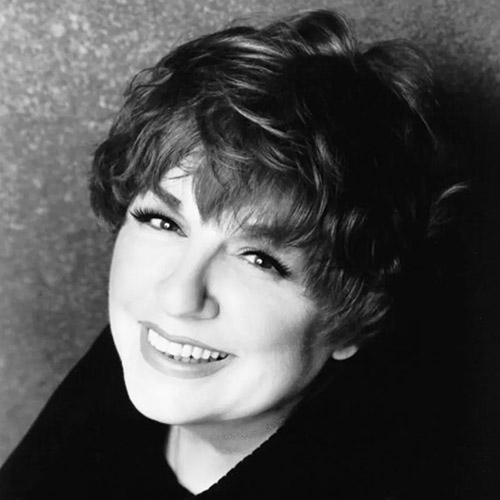
Irene Kral was one of jazz music’s most understated treasures — a vocalist admired by musicians, respected by critics, and cherished by those fortunate enough to discover her work. Unlike many performers of her era, Kral never relied on flashy vocal theatrics or overpowering performances. Instead, she captivated listeners with remarkable subtlety, impeccable phrasing, and a warm, intimate delivery that made every lyric feel personal. Her voice possessed a rare purity, and every note seemed placed with precision and purpose.
Born on January 18, 1932, in Chicago to Czech immigrant parents, Irene’s earliest inspiration came from her older brother, Roy Kral, who later became one half of the influential jazz duo Jackie and Roy. As a young girl watching Roy rehearse his big band in their family basement, Irene discovered her own love for music. By age sixteen, she was performing locally and accompanying herself on piano, quickly demonstrating a talent that drew the attention of professional musicians.
Her early career included performances with several big bands, including a brief period with Woody Herman, before she gained wider attention in the 1950s with the vocal group The Tattletales. A pivotal moment came when legendary vocalist Carmen McRae recommended her to bandleader Maynard Ferguson. After hearing her perform just one song, Ferguson hired her immediately — without rehearsal.
Throughout the late 1950s and 1960s, Irene built a reputation as one of jazz’s most sophisticated interpreters. She appeared regularly on The Steve Allen Show, recorded acclaimed solo albums, and worked alongside respected artists including Shelly Manne, Herb Pomeroy, Al Cohn, and Laurindo Almeida. In 1964, she contributed to Almeida’s Grammy® Award-winning album Guitar From Ipanema.
Although Kral could swing effortlessly, she considered herself primarily a ballad singer. She once remarked that she loved songs with “a warm laziness about them,” a quality that became one of her signatures. Fellow musicians admired her exceptional song choices and musical intelligence. Carmen McRae famously said:
“Besides being a marvelous singer, Irene has great taste in tunes. In fact, I've stolen quite a few from her.”
The 1970s brought some of her most celebrated work, including Where Is Love, Kral Space, and Gentle Rain, recordings that earned Grammy® nominations and showcased her remarkable emotional depth. Critics praised her ability to convey feeling through restraint rather than excess. One reviewer wrote that while others sang with force, “Kral's interpretations melted like butter.”
Sadly, Irene Kral passed away on August 15, 1978, after a courageous six-year battle with breast cancer. She was only 46 years old and had continued performing almost until the end of her life.
Though she left behind a relatively small catalog compared to some of her contemporaries, Irene Kral’s recordings remain timeless examples of elegance, sincerity, and artistic integrity. Today her work continues to resonate with listeners and musicians who appreciate the beauty of subtlety — proving that sometimes the quietest voices leave the deepest impression.
Contact |


|
©2026 Ten12 Entertainment All Rights Reserved Web Design by Full Blown |